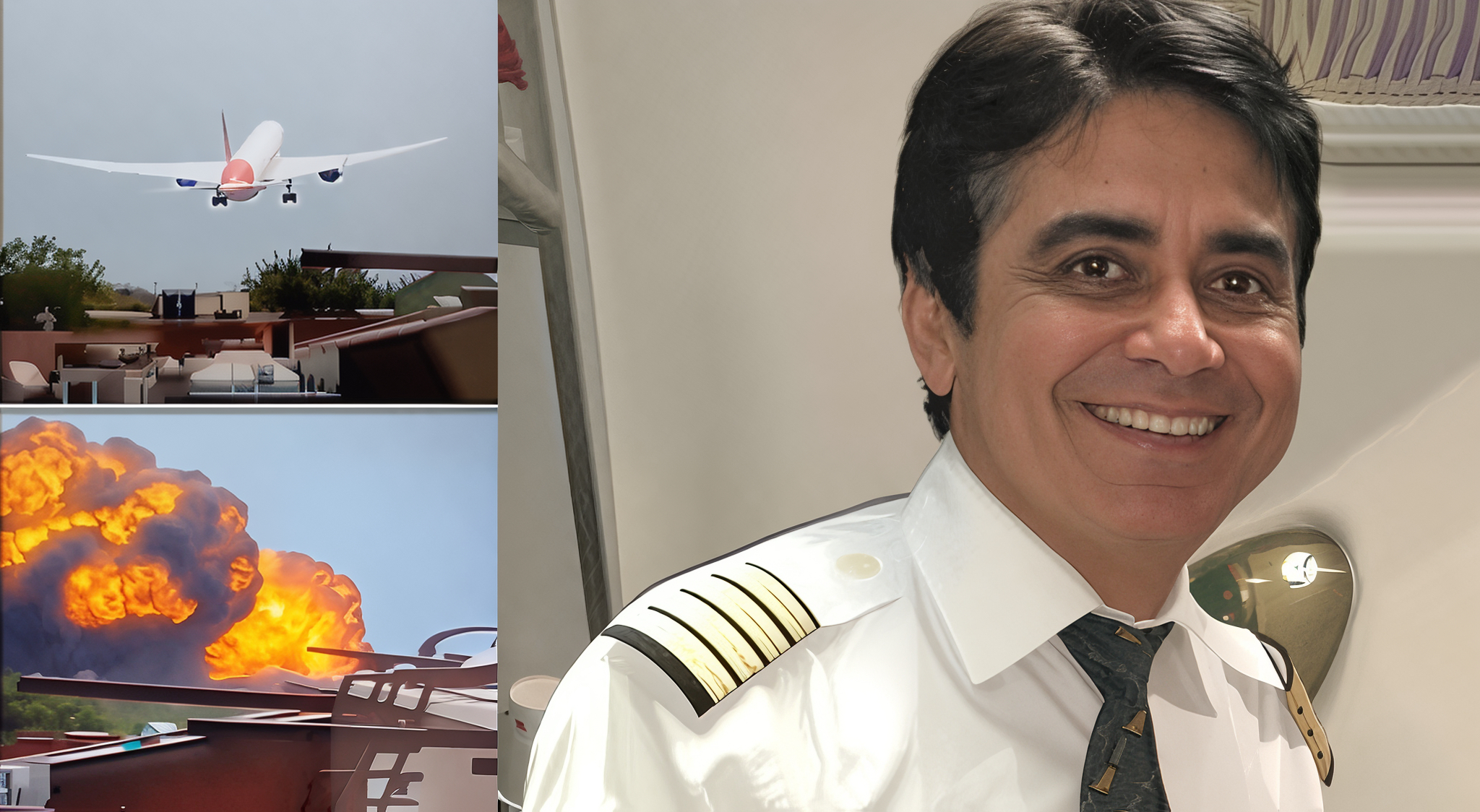
Unraveling the Mystery: The Air India Crash and Captain Sumeet Sabharwal
The tragic Air India plane crash, claiming the lives of 260 passengers, has sparked a wave of intense investigation, pushing beyond the initial technical assessments to delve into the personal life of the pilot, Captain Sumeet Sabharwal. This incident compels us to explore not only the mechanical aspects of air travel, but also the crucial human element that often lies at the heart of such devastating accidents.
A Veteran Pilot’s Troubled Past
Captain Sabharwal, a highly experienced pilot with over 15,000 flying hours, presented a picture of a dedicated professional. He was known for his commitment to his duties, described as a man who didn’t drink or use foul language, and deeply devoted to his elderly father. Yet, beneath this seemingly unwavering exterior, a more complex story emerges.

Emerging Concerns about Mental Health
Reports suggest a history of medical leave taken by Captain Sabharwal in the years leading up to the crash. According to Captain Mohan Ranganathan, a leading Indian aviation safety expert, several Air India pilots corroborated the pilot’s struggles with mental health issues. This information raises critical questions regarding the airline’s procedures for addressing the mental well-being of its pilots.
Personal Loss and Professional Strain
The impact of personal tragedies on professional life is a critical area of inquiry. Sabharwal’s recent experiences, including the death of his mother and a separation from his wife, may have contributed to his emotional state. His desire to leave Air India to spend more time with his family further underscores the pressure he might have been under. The investigation must address the potential link between these personal challenges and his actions on the fateful flight.

The Cockpit Recording: A Critical Piece of Evidence
A chilling detail from the cockpit voice recorder has emerged, offering a potential explanation for the catastrophic event. The Wall Street Journal reports that shortly after takeoff from Ahmedabad on June 12th, Captain Sabharwal seemingly cut off fuel to the engines, a move immediately questioned by First Officer Clive Kunder, who expressed surprise and then panic. The captain, however, remained calm and denied his involvement.
The Fuel Cutoff: A Deliberate Act or Unforeseen Error?
The actions of Captain Sabharwal in the cockpit are at the very heart of the investigation. This raises the crucial question of whether this was a deliberate act or a result of an unforeseen error amidst a state of extreme mental distress. The investigation will need to analyze this critical evidence meticulously to establish the true nature of his actions and determine whether a lapse in judgment, resulting from personal struggles, played a pivotal role.
The Aftermath and Call for Reform
The Air India crash serves as a stark reminder of the importance of comprehensive mental health support within the aviation industry. While the investigation continues to unfold, it is imperative that authorities address the potential systemic issues that may have contributed to this tragedy. This includes implementing more robust mental health screening and support systems for pilots to prevent similar incidents in the future. The demand for answers remains high, and a thorough investigation is crucial not only for closure but also for the safety of air travel in the years to come.