The Midtown Manhattan Tragedy: Unraveling the Story of Shane Tamura
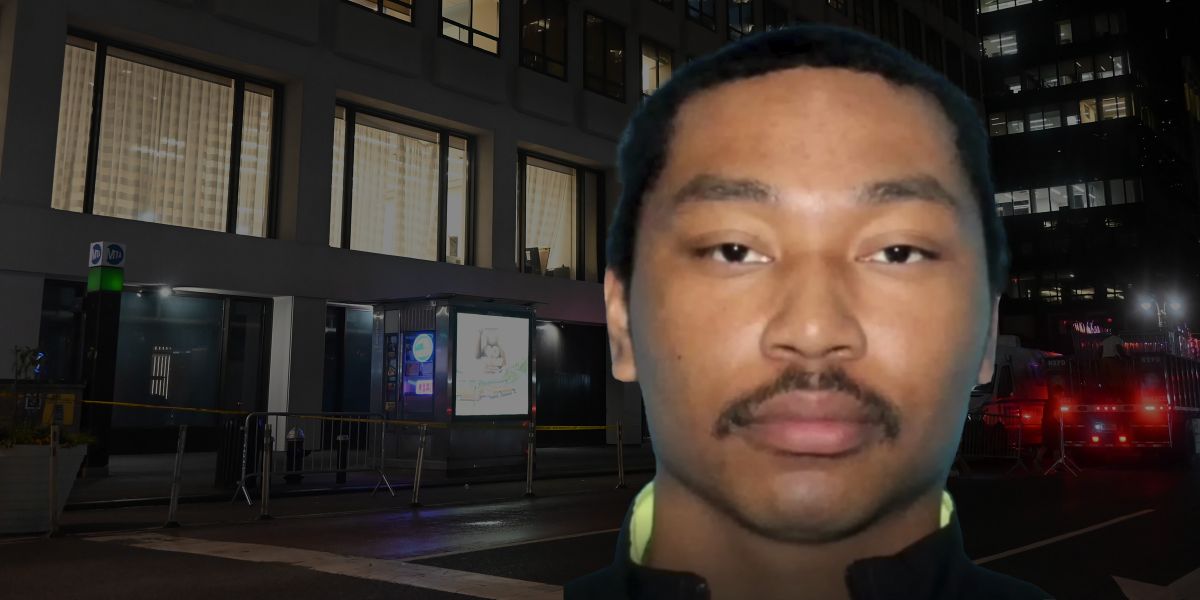
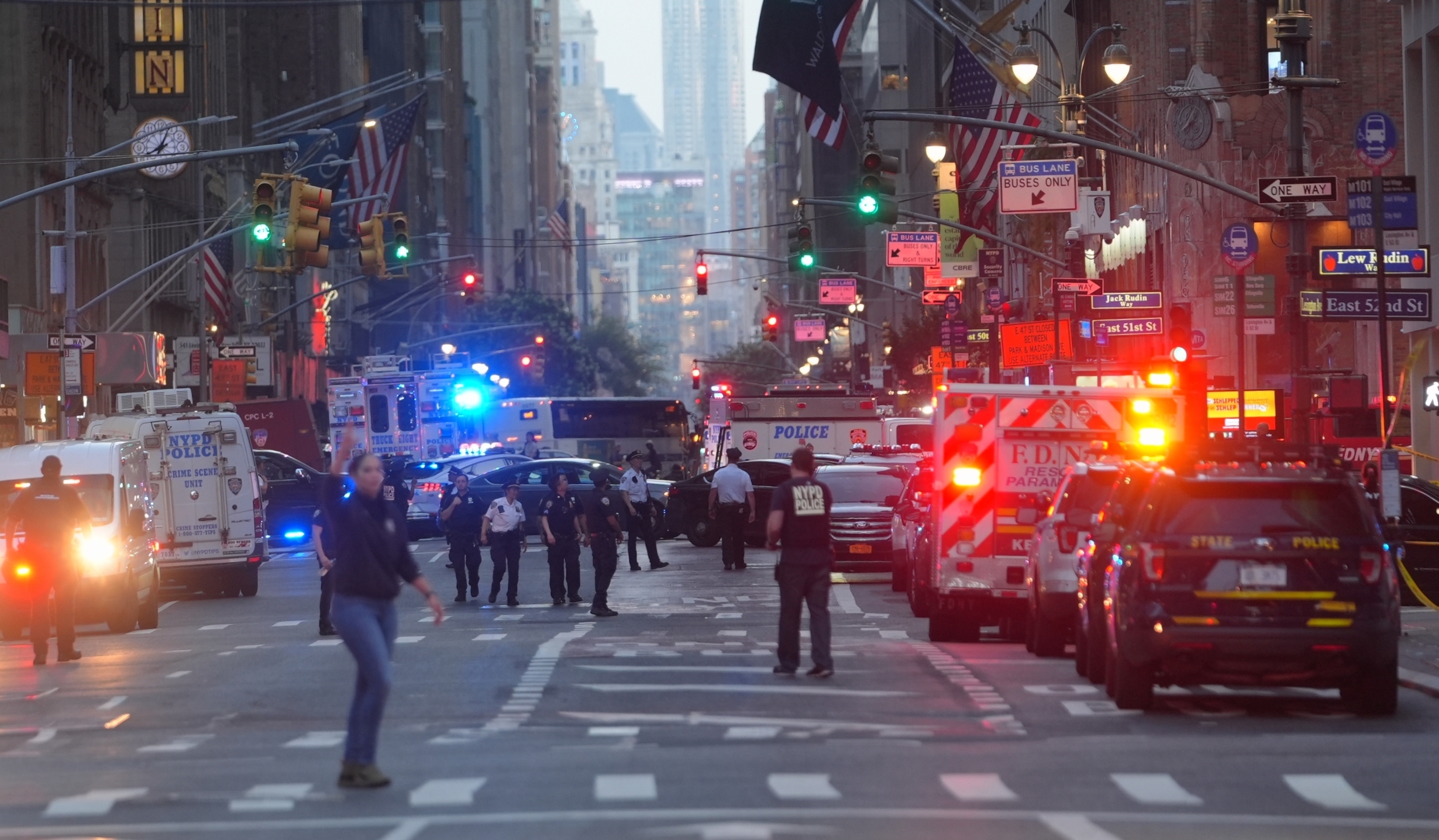
The horrific mass shooting in Midtown Manhattan on July 29, 2025, left four people dead, including an NYPD officer, and one critically injured. The alleged perpetrator, 27-year-old Shane Tamura, died of a self-inflicted gunshot wound at the scene. This tragedy raises profound questions about the suspect’s past, his motives, and the devastating impact of untreated mental health issues.
From Promising Athlete to Alleged Killer: Shane Tamura’s Journey
A Star on the Rise
Shane Tamura’s story begins far from the grim scene of the shooting. A former classmate, Caleb Clarke, painted a picture of a vibrant and energetic teenager, a high school football player at Granada Hills Charter School in Los Angeles. Clarke described Tamura as a “goofball,” brimming with energy and possessing exceptional speed. His athletic prowess was undeniable, earning him praise from teammates and coaches alike. Many believed he had the potential to play professional football, a belief fueled more by others’ admiration than by Tamura’s own aspirations. “It was more of everybody else telling him how great he was,” recalled Clarke.
A Life Unfulfilled
However, Tamura’s trajectory took an unforeseen turn. After high school, he seemed to lose his way. Clarke lost contact with him but reconnected years later through social media, learning that Tamura was working at a Las Vegas casino. This marked a stark contrast to the promising future once envisioned for him. The once bright path had dimmed considerably.
The Road to Midtown Manhattan: A Cross-Country Journey
Before the shooting, Tamura embarked on a multi-state journey, driving thousands of miles in his BMW. His vehicle was tracked through Nebraska, Iowa, and New Jersey before arriving in New York City. Police surveillance indicates he double-parked near 345 Park Avenue, the location of the subsequent massacre, before entering the building. Inside his car, investigators discovered prescription medication, a rifle case, several ammunition magazines, and a loaded revolver, providing further clues into the suspect’s mindset.
A Suicide Note and the Shadow of CTE
A handwritten suicide note found on Tamura’s body revealed a possible motive: a long-standing struggle with chronic traumatic encephalopathy (CTE), a degenerative brain disease linked to repetitive head trauma, often suffered by athletes. The three-page note reportedly blamed football for his CTE, expressing anger towards the NFL and its handling of brain injuries among former players. He also mentioned former NFL player Terry Long, who died by suicide after a CTE diagnosis. The note included a request for his brain to be studied posthumously and apologies to an individual named Rick. This revelation adds a complex and tragic layer to the investigation.
The Victims and the Aftermath
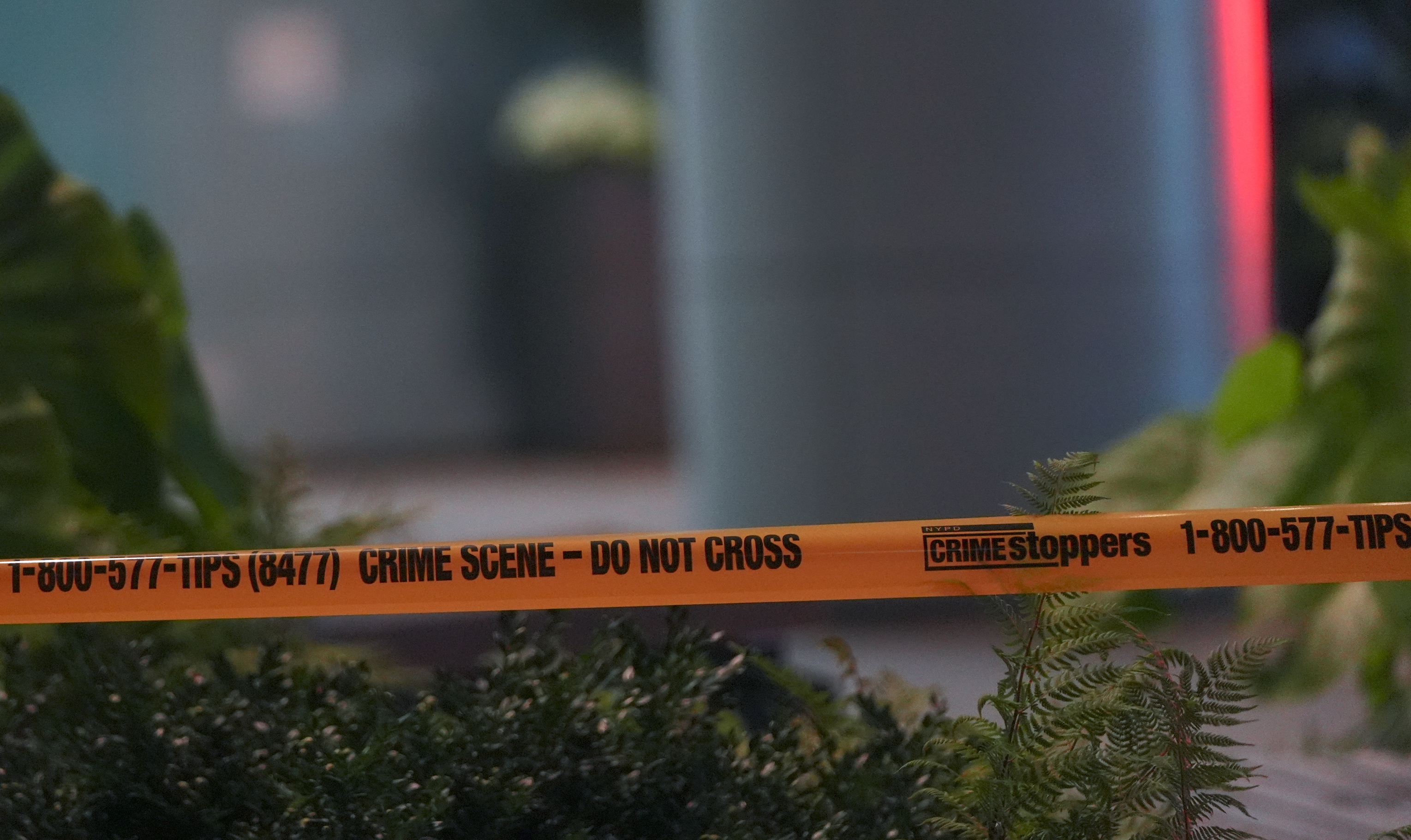
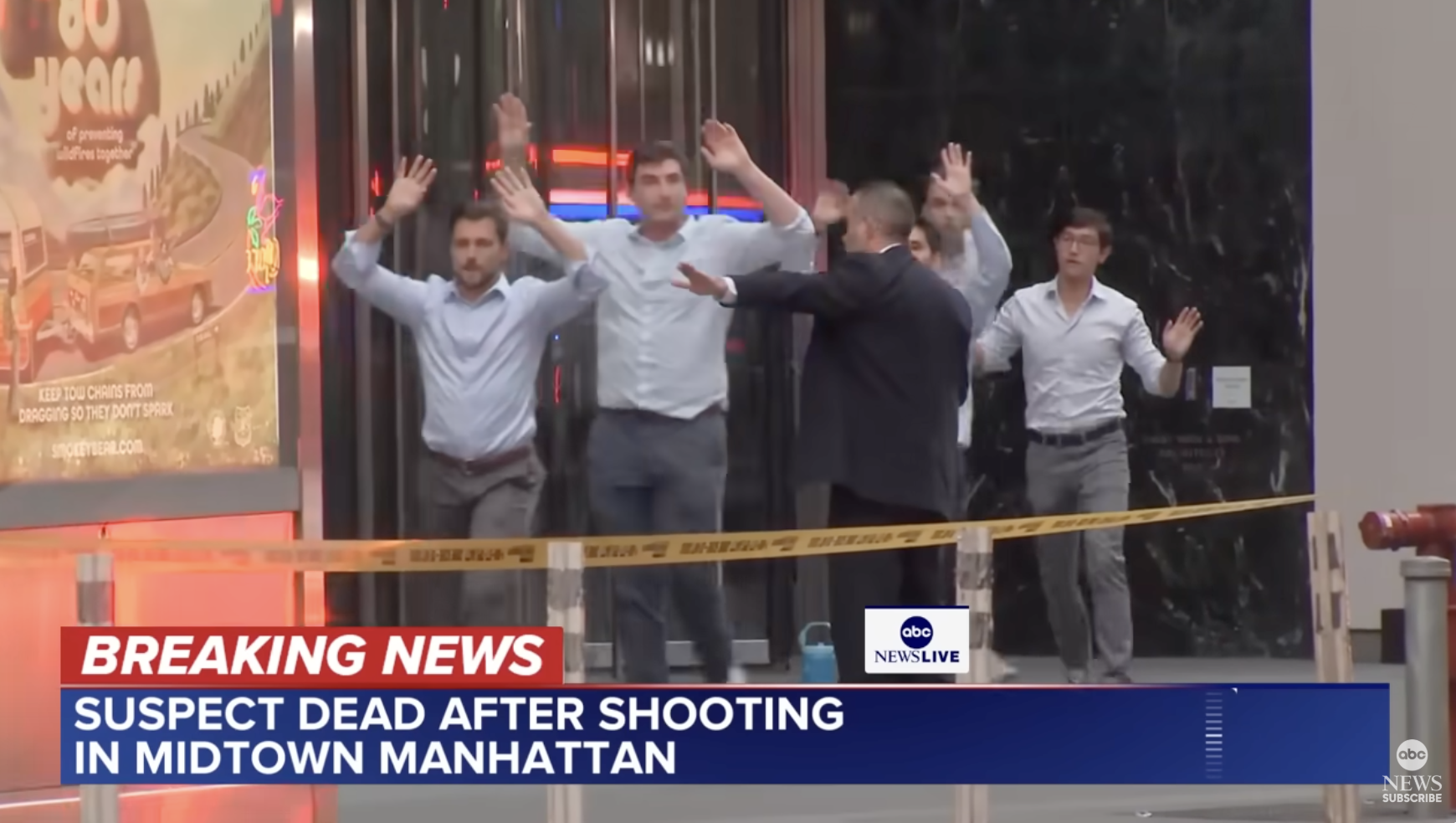
The shooting claimed the lives of four individuals, including an off-duty NYPD officer, Didarul Islam, who was working security at 345 Park Avenue. Officer Islam, a beloved husband and father, tragically lost his life while protecting others. Two other men and a woman also perished in the attack, while another man sustained critical injuries. Information regarding the civilian victims remains limited out of respect for their families. The building itself, housing offices for KPMG, the NFL, and Blackstone, was immediately secured following the incident, and a comprehensive investigation is underway to determine the full extent of the shooter’s motivations.
The Response and Ongoing Investigation
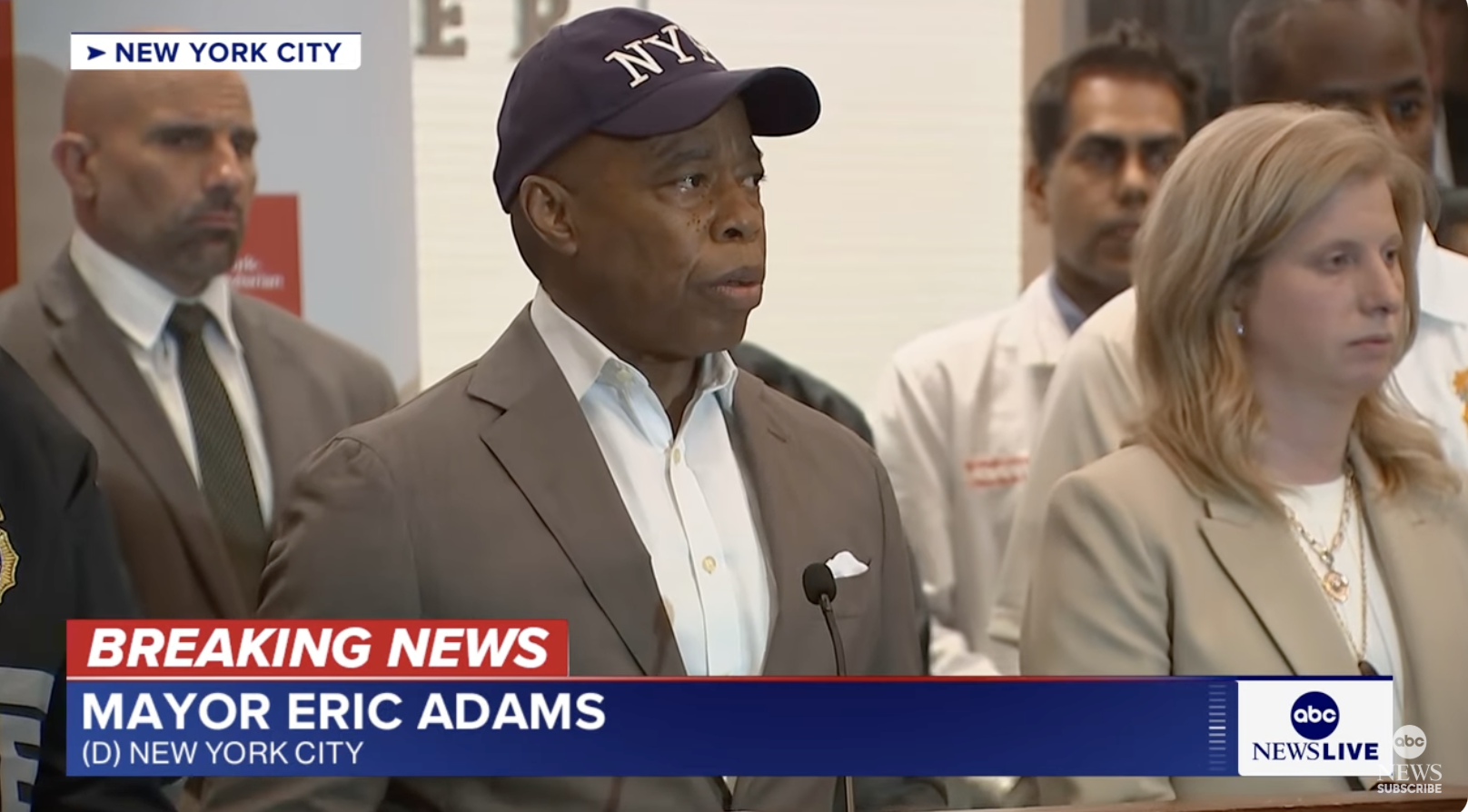
The shooting prompted immediate responses from city officials, including Mayor Eric Adams, who expressed his condolences and praised Officer Islam’s dedication. Several other politicians issued statements of support and grief. KPMG, one of the building’s tenants, also released a statement expressing their condolences. The NYPD and FBI are conducting a thorough investigation, including examining Tamura’s past, his mental health history (confirmed by Las Vegas law enforcement), and any potential connections between his anger towards the NFL and the building’s tenants. While the specific target remains unclear, the investigation will determine if the NFL offices were intentionally targeted or if the building was simply a location of opportunity. The investigation is ongoing. However, authorities have confirmed Tamura acted alone.
A Call for Understanding and Support
The Midtown Manhattan shooting underscores the critical need for greater awareness and resources surrounding mental health issues, especially among those suffering from the long-term effects of traumatic brain injuries. The tragedy serves as a stark reminder of the importance of seeking help and supporting those in need. It also highlights the importance of continued dialogue regarding the long-term consequences of head injuries in contact sports and the responsibility of major sporting organizations to protect their players.