The Delphi Murders: A Deep Dive into the Case and its Aftermath
The quiet town of Delphi, Indiana, was irrevocably changed on February 13, 2017. This seemingly idyllic community became the tragic backdrop for a double homicide that captivated the nation and continues to resonate years later. This blog post delves into the chilling details of the case, the subsequent investigation, the trial, and the lasting impact on those involved.
The Day That Changed Everything
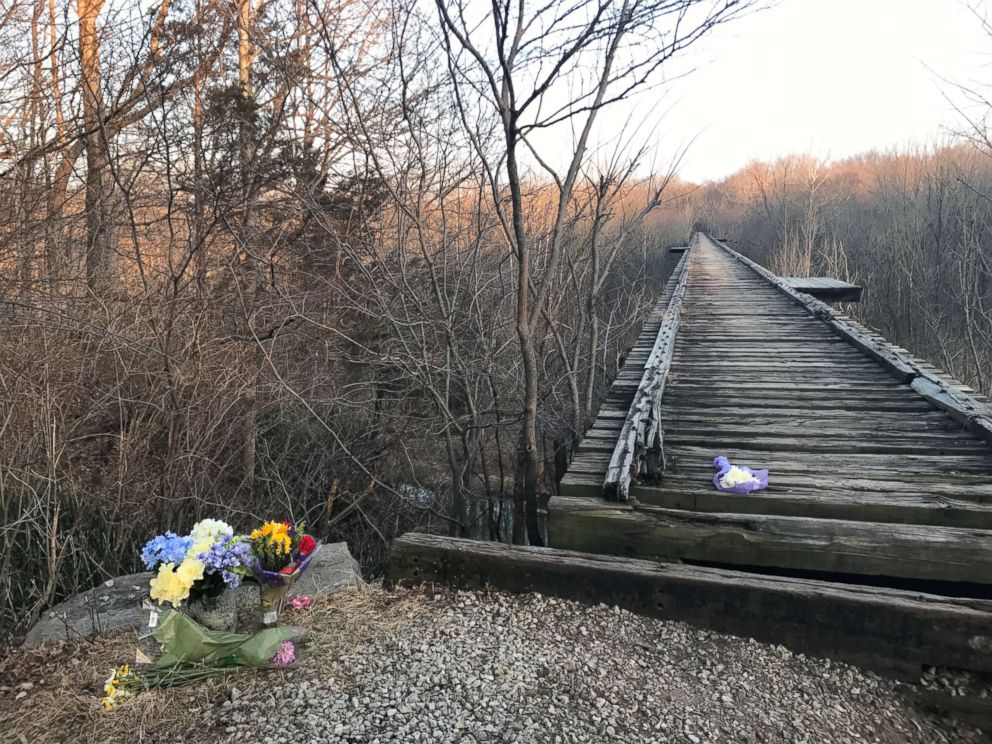
On that fateful day, thirteen-year-old Abby Williams and fourteen-year-old Libby German, best friends, embarked on a carefree walk along the Monon High Bridge hiking trail. Their seemingly ordinary afternoon took a terrifying turn, ending in their brutal murders. Their bodies were discovered the following day, sending shockwaves through the close-knit community. The sheer brutality of the crime and the mystery surrounding the perpetrator fueled national outrage and a desperate search for answers. The impact on the town was immediate and profound, as Kathy Allen, wife of the convicted killer, poignantly describes: “The whole town was devastated. I felt so badly, especially for the mothers.” Libby’s grandmother, Becky Patty, remembers the agonizing realization of the girls’ fate: “I do remember we learned how Libby died because the funeral director told us we needed to bring in clothes, and he said, ‘You need to make sure you have a scarf.'”

A Crucial Clue: Libby’s Phone
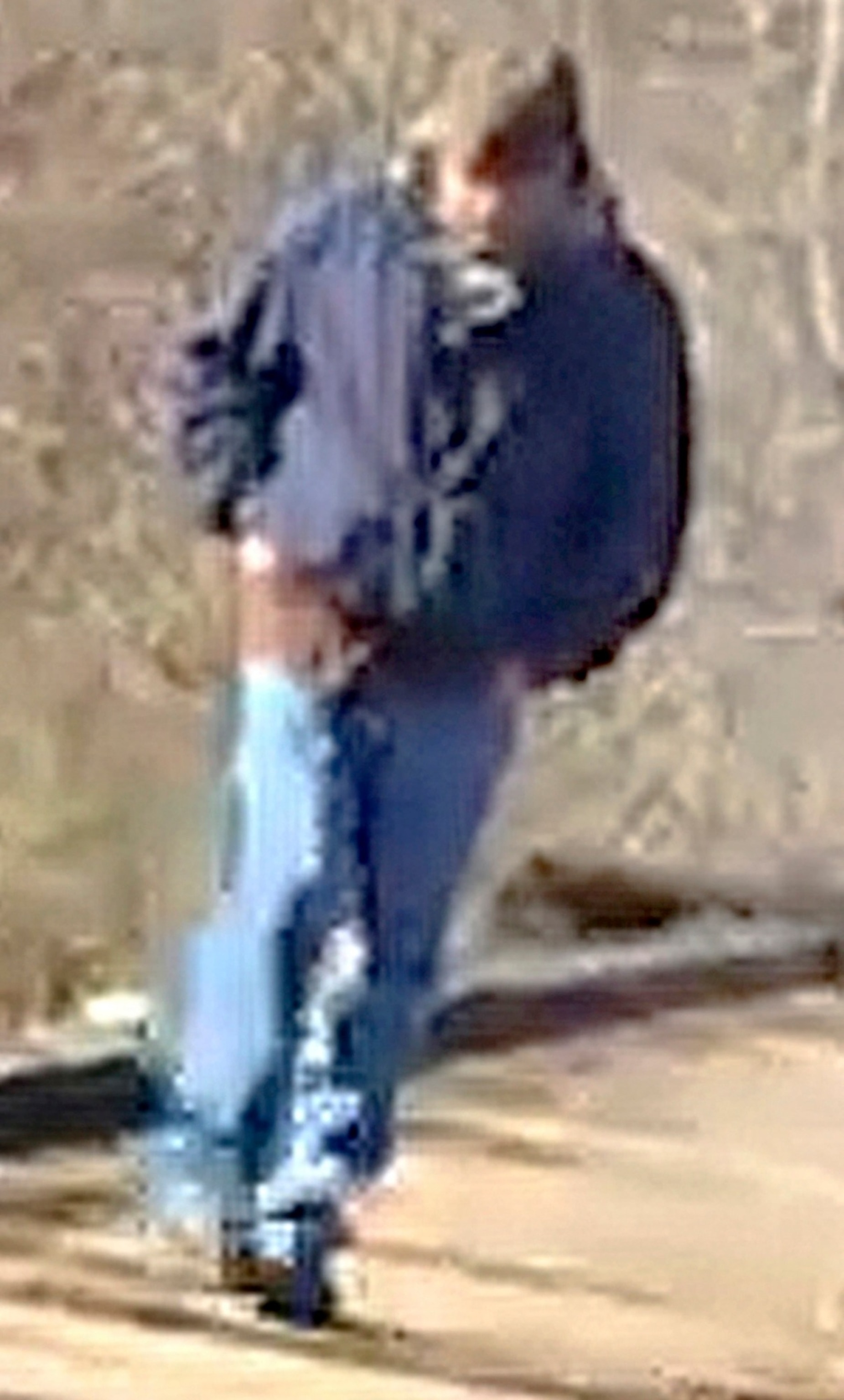
While the initial investigation yielded no immediate suspects, a critical piece of evidence emerged. Libby, unknowingly recording moments before the attack, captured a grainy image and audio of the man who would become known as “Bridge Guy.” This seemingly small piece of technology proved to be invaluable in the ensuing investigation, providing a visual and auditory lead that would eventually help bring the case to a conclusion. Even Kathy Allen admits, “The first time I saw the picture of ‘bridge guy,’ it could’ve been anybody.” This seemingly innocuous image would later become a pivotal piece of evidence in a complex and agonizingly drawn-out investigation.
The Suspect and the Arrest: A Timeline of Events
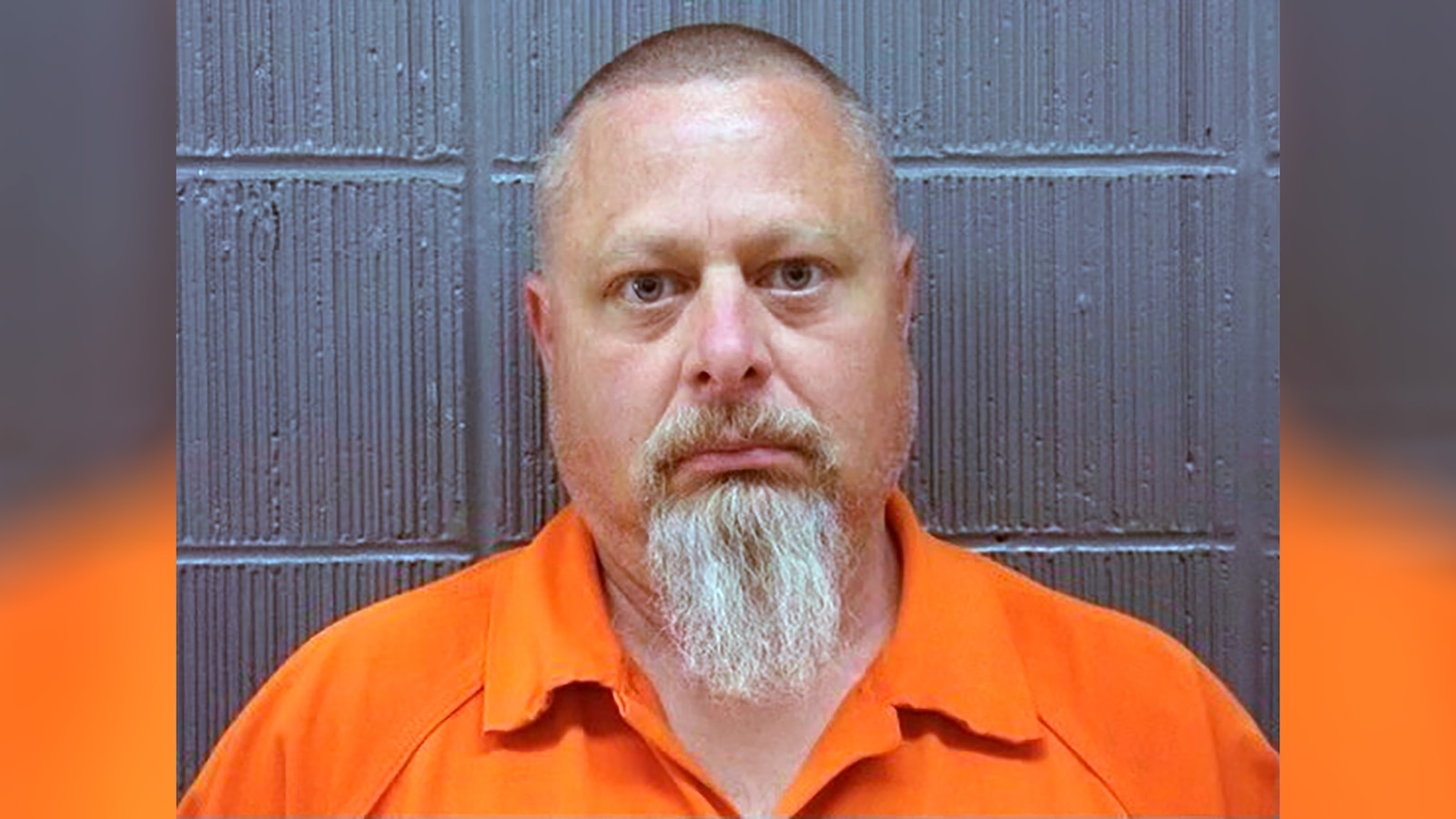
Richard Allen, a resident of Delphi who worked at the local CVS, had the day off on February 13th, 2017. His wife, Kathy, recalls his apparent surprise at the news of the missing girls that evening. While he initially cooperated with the police, reporting his presence on the trail that day, the case went cold for over five years. However, a misfiled police report, discovered by a volunteer file clerk in September 2022, reignited the investigation. This report revealed that Richard Allen had previously self-reported being on the trail around the time of the murders. This seemingly insignificant detail proved to be the catalyst for his arrest on October 13th, 2022. Kathy Allen recalls the day of the arrest, recounting her husband’s chilling words: “Ricky said something like, ‘Well, it’s over, it doesn’t matter anymore.'” The ensuing months saw Allen undergo interrogation and plead his innocence, a claim that contrasted sharply with the mounting evidence.

The Trial: Evidence and Testimony
The trial, which took place in the fall of 2024, presented a complex picture. The prosecution focused on a key piece of physical evidence: an unspent .40-caliber bullet found near the girls’ bodies, linked to Allen’s firearm. Even more damning were several confessions Allen made, documented in jail calls with his wife and recorded conversations with his psychologist and corrections officers. Kathy Allen recounts a chilling phone conversation: He told his wife, “I did it. I killed Abby and Libby.” Kathy’s response: “No, you didn’t,” and his reply, “Yes, I did.” The defense argued that Allen’s mental state, deteriorated by prolonged solitary confinement, influenced these confessions, portraying them as unreliable. However, this argument did not persuade the jury.
The Verdict and its Aftermath
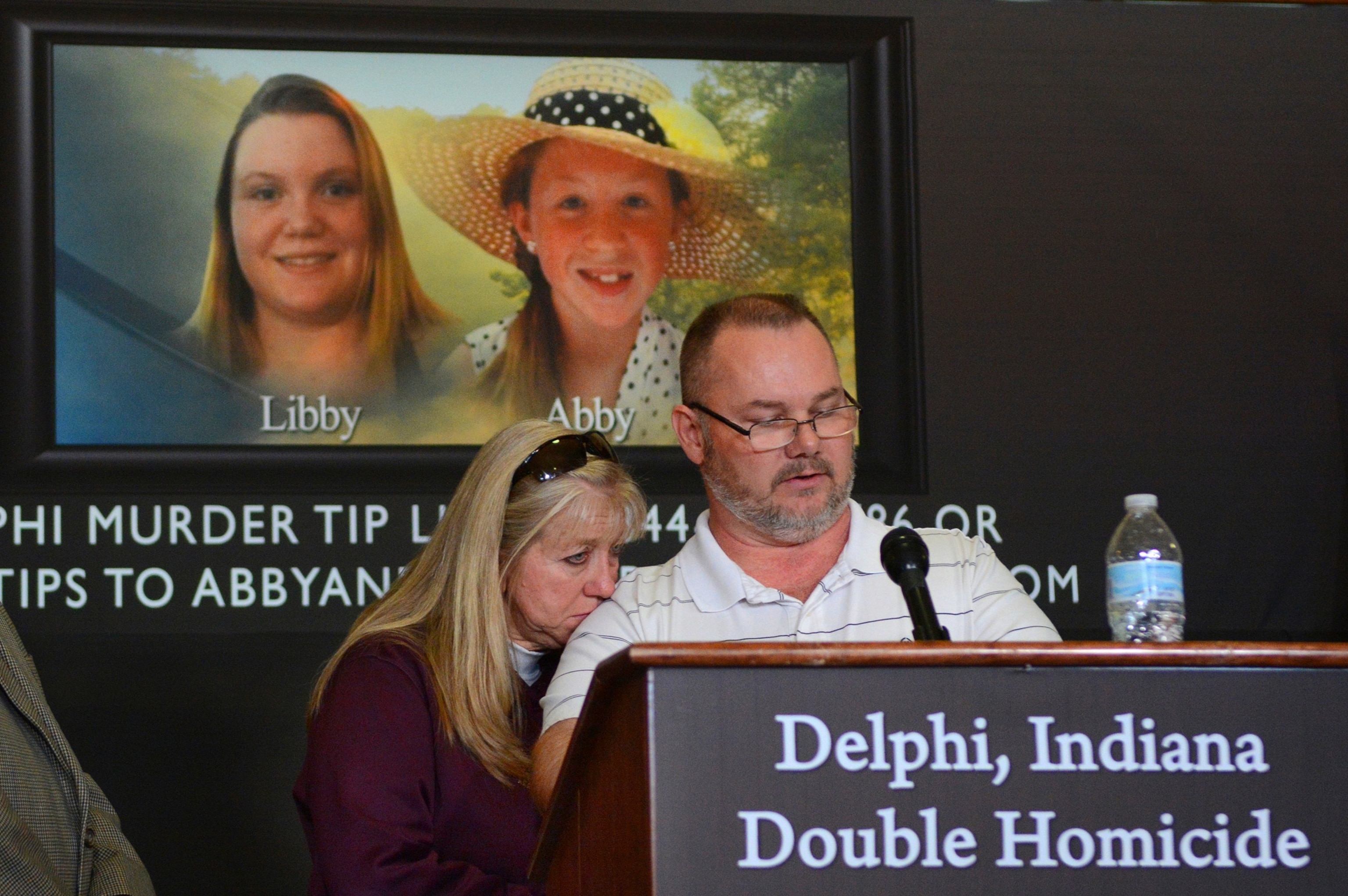
The jury found Richard Allen guilty on all charges in November 2024. The verdict sent shockwaves through the community, with Kathy Allen visibly devastated and expressing unwavering belief in her husband’s innocence: “My husband’s not a monster. He’s not the monster that people think he is.” Abby’s mother, Anna Williams, expressed the profound and lingering pain: “You think hearing ‘guilty’ is gonna be enough, and you think the sentencing is gonna be enough. And it’s just not true. This doesn’t bring her back. The girls are still gone.” Allen was sentenced to 130 years in prison, while the families of Abby and Libby continue to grapple with the immeasurable loss. Kathy Allen continues to maintain her husband’s innocence and hopes for a successful appeal.

A Legacy of Loss and Perseverance
The Delphi murders remain a stark reminder of the fragility of life and the enduring power of grief. While the conviction of Richard Allen brought a sense of closure for some, the pain of loss endures for the families of Abby and Libby. The case highlights the importance of technological advancements in criminal investigations and the unwavering dedication of law enforcement in pursuing justice, even in the face of seemingly insurmountable obstacles. The story of Abby and Libby serves as a poignant reminder of the importance of cherishing every moment and remembering the victims whose lives were tragically cut short.