The Royal Opera House’s Controversial Choice: Anna Netrebko and the Shadow of Putin
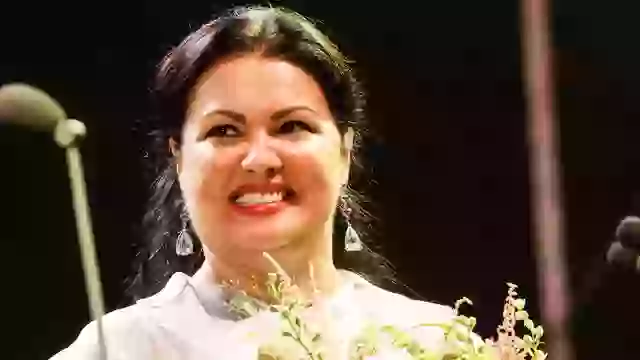
The Royal Opera House’s (RBO) decision to include world-renowned soprano Anna Netrebko in its upcoming London season has sparked a firestorm of controversy. This isn’t simply a debate about artistic merit; it’s a clash between artistic expression and ethical responsibility in the face of ongoing geopolitical conflict.
A Celebrated Career Under Scrutiny
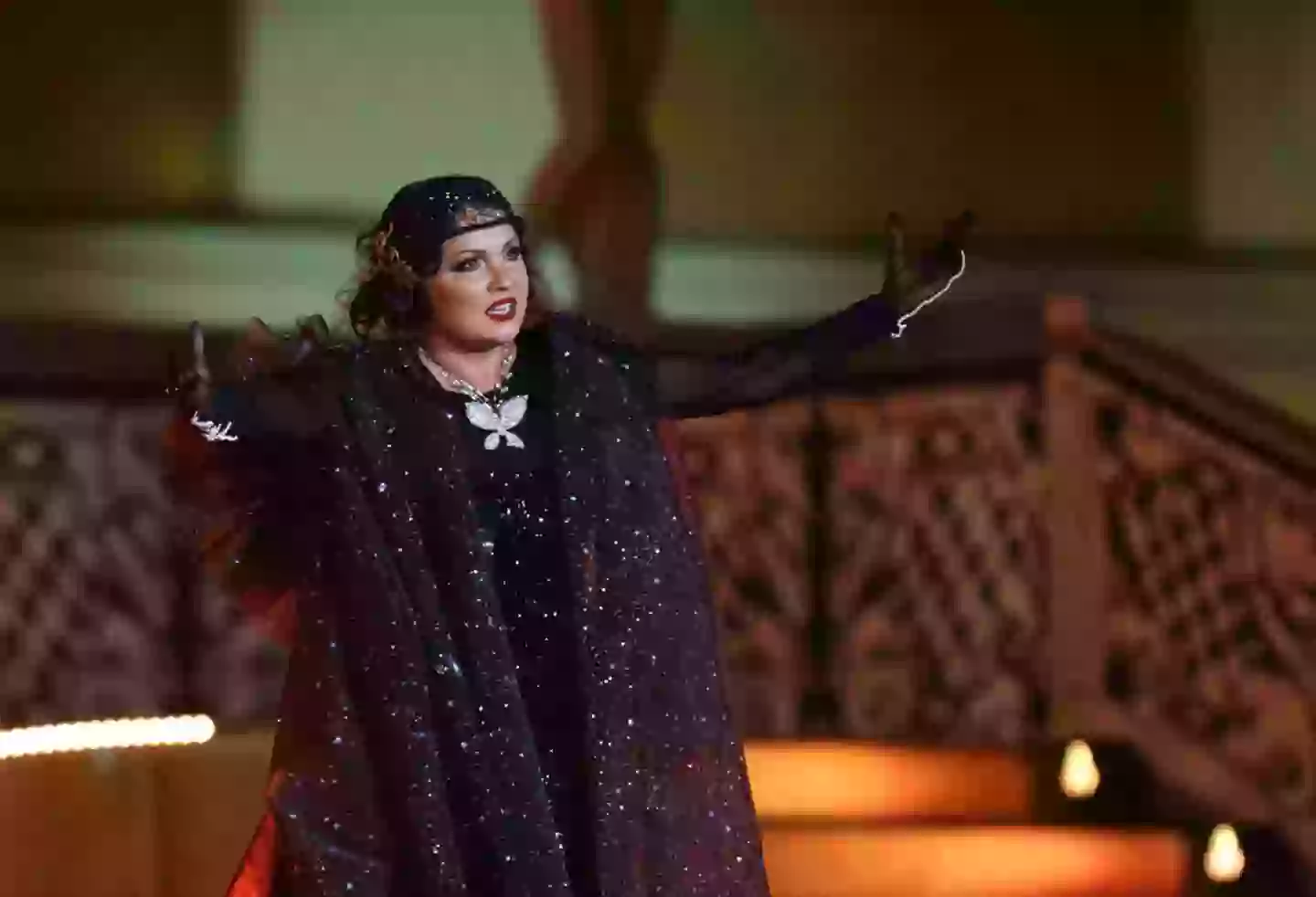
Anna Netrebko, a 53-year-old soprano with a career spanning nearly three decades, boasts an impressive list of achievements. From headlining the Winter Olympics opening ceremony to being named one of Time magazine’s 100 most influential people, her talent is undeniable. However, her remarkable career is now overshadowed by accusations of aligning herself with the Russian regime under Vladimir Putin.
The Accusations and the Outcry
A powerful coalition, including over 50 Ukrainian artists and writers, a cross-party group of UK MPs, and a former New Zealand Prime Minister, have publicly condemned the RBO’s decision. In a letter to the Guardian, they labeled Netrebko a “longtime symbol of cultural propaganda for a regime responsible for war crimes,” arguing that her performance is deeply insensitive given Russia’s ongoing aggression in Ukraine. The letter sharply criticizes the RBO for prioritizing profit and reputation over ethical considerations, accusing them of choosing “status and responsibility…between profit and values, between silence and conscience.”
Political Allegiances and Artistic Integrity
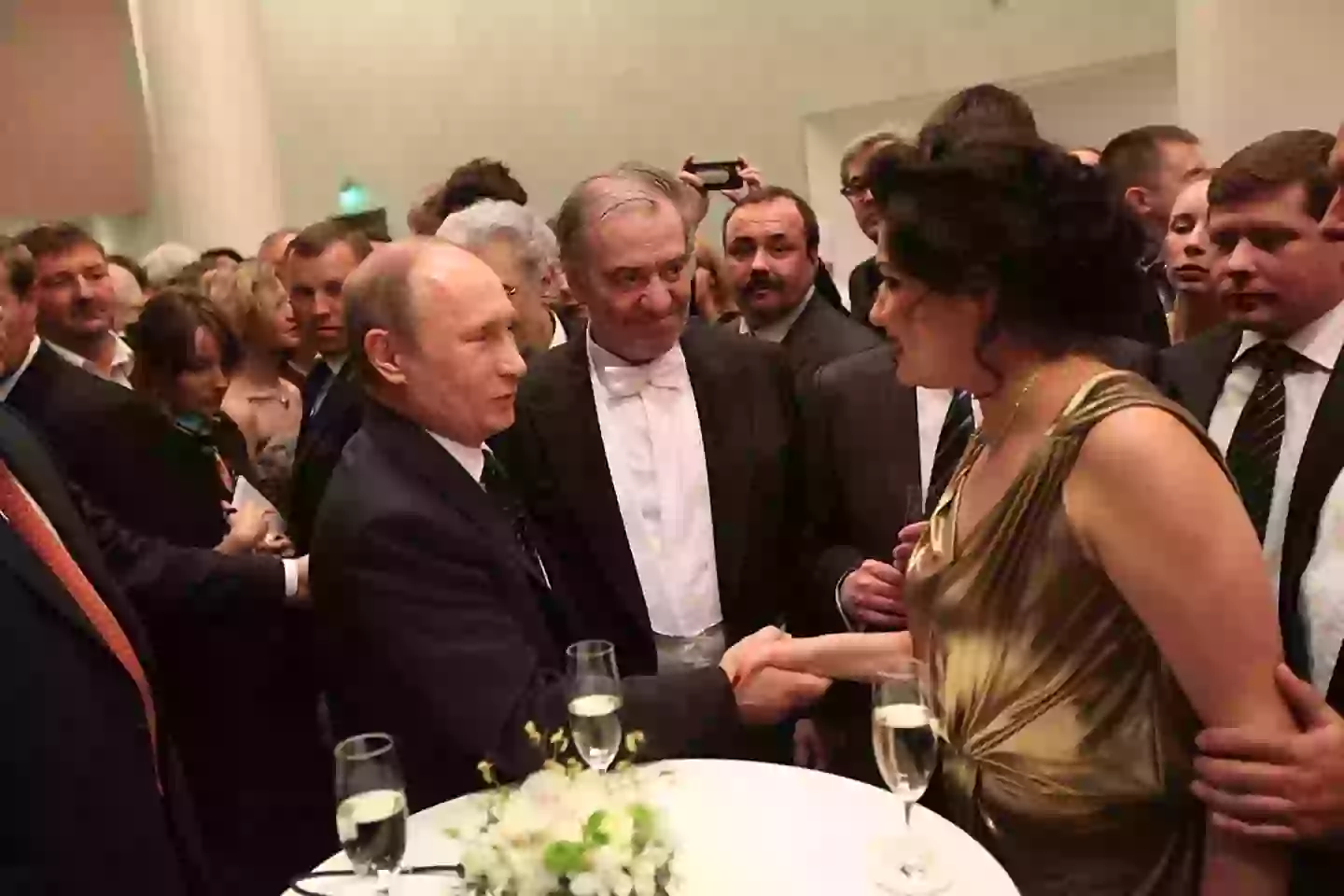
The heart of the controversy lies in Netrebko’s alleged connections to Vladimir Putin and her perceived support for Russian separatists. MPs from both the Labour and Conservative parties have expressed deep concern. Labour MP Alex Sobel stated simply, “Don’t invite Russian supporters of the regime to perform.” Conservative MP John Whittingdale pointed to a 2014 incident where Netrebko publicly displayed the flag of “Novorossiya,” a Kremlin-backed separatist project in Ukraine. He emphasized her lack of strong condemnation of Russian actions since then, beyond a single statement made in 2022. Ukraine’s first deputy foreign minister, Sergiy Kyslytsya, echoed these sentiments, urging the RBO to replace Netrebko with an artist “not associated with a criminal regime.”
Netrebko’s Response and the Ongoing Debate
Netrebko, an Austrian citizen, issued a statement in March 2022 condemning the war in Ukraine. She stated that she was not a member of any political party and had only met Putin a few times at formal events. She expressed regret if past actions were misinterpreted, stating her desire for peace. Her manager, Miguel Esteban, further insists that she has consistently condemned the war and has not returned to Russia since the full-scale invasion, denying any ongoing support for separatists. However, these statements have not quelled the criticism, leaving the debate fiercely contested.
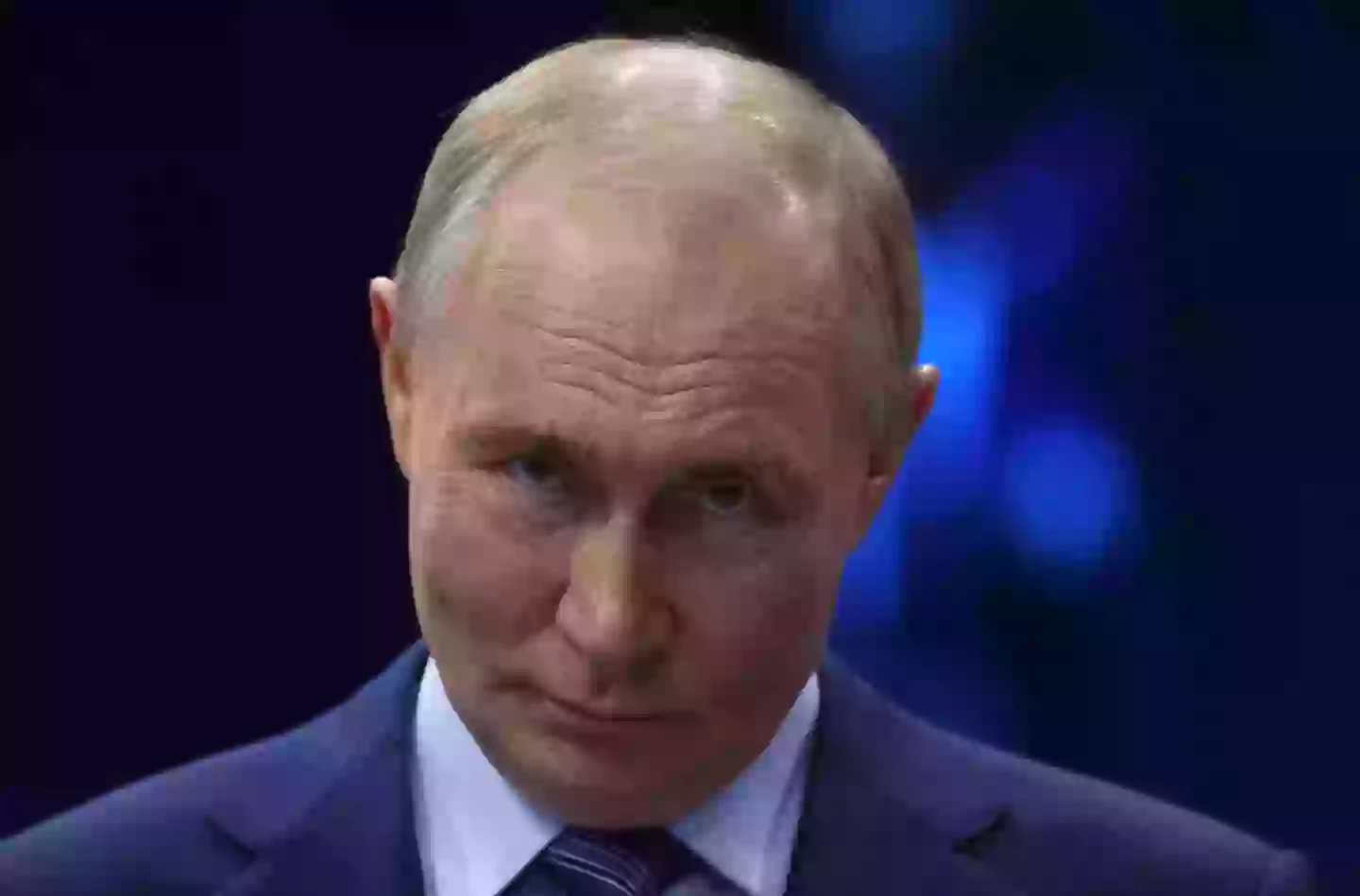
A Defining Moment for the Royal Opera House
The RBO now faces a critical juncture. This isn’t simply about a single performance; it’s a test of the institution’s commitment to its values in the face of significant ethical challenges. The decision to keep or drop Netrebko will have far-reaching consequences, setting a precedent for how cultural institutions navigate complex geopolitical situations and the responsibilities that accompany global influence. The stage is set for a decisive choice – one that will reverberate far beyond the curtain call.