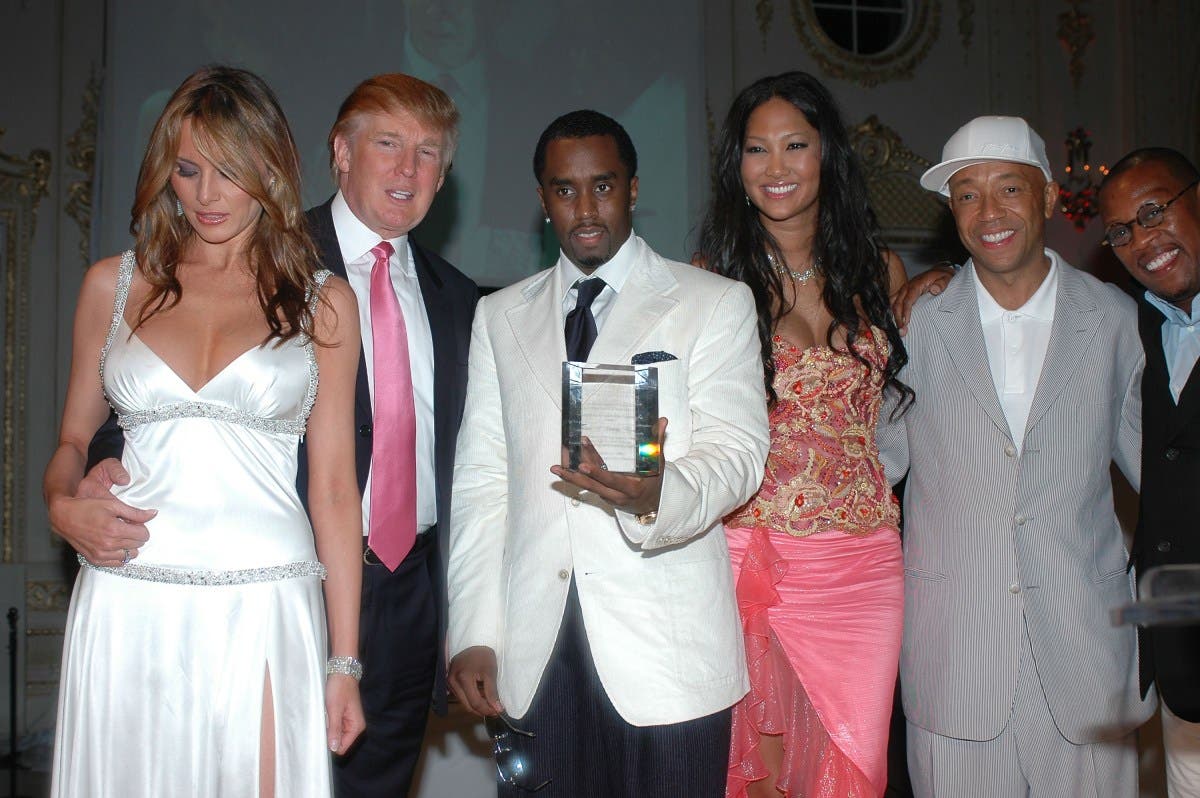
The White House on Tuesday denied a report claiming President Donald Trump is considering commuting music mogul Sean “Diddy” Combs’ prison sentence as early as this week.

Earlier this month, Combs was convicted on federal sex trafficking and racketeering charges after prosecutors said he ran a decades-long criminal enterprise that exploited women and laundered millions of dollars through his music businesses. He was sentenced to 50 months in prison following a high-profile trial in New York.
TMZ reported Monday that Trump was “vacillating” on whether to grant Combs clemency, citing a “high-ranking White House official.”
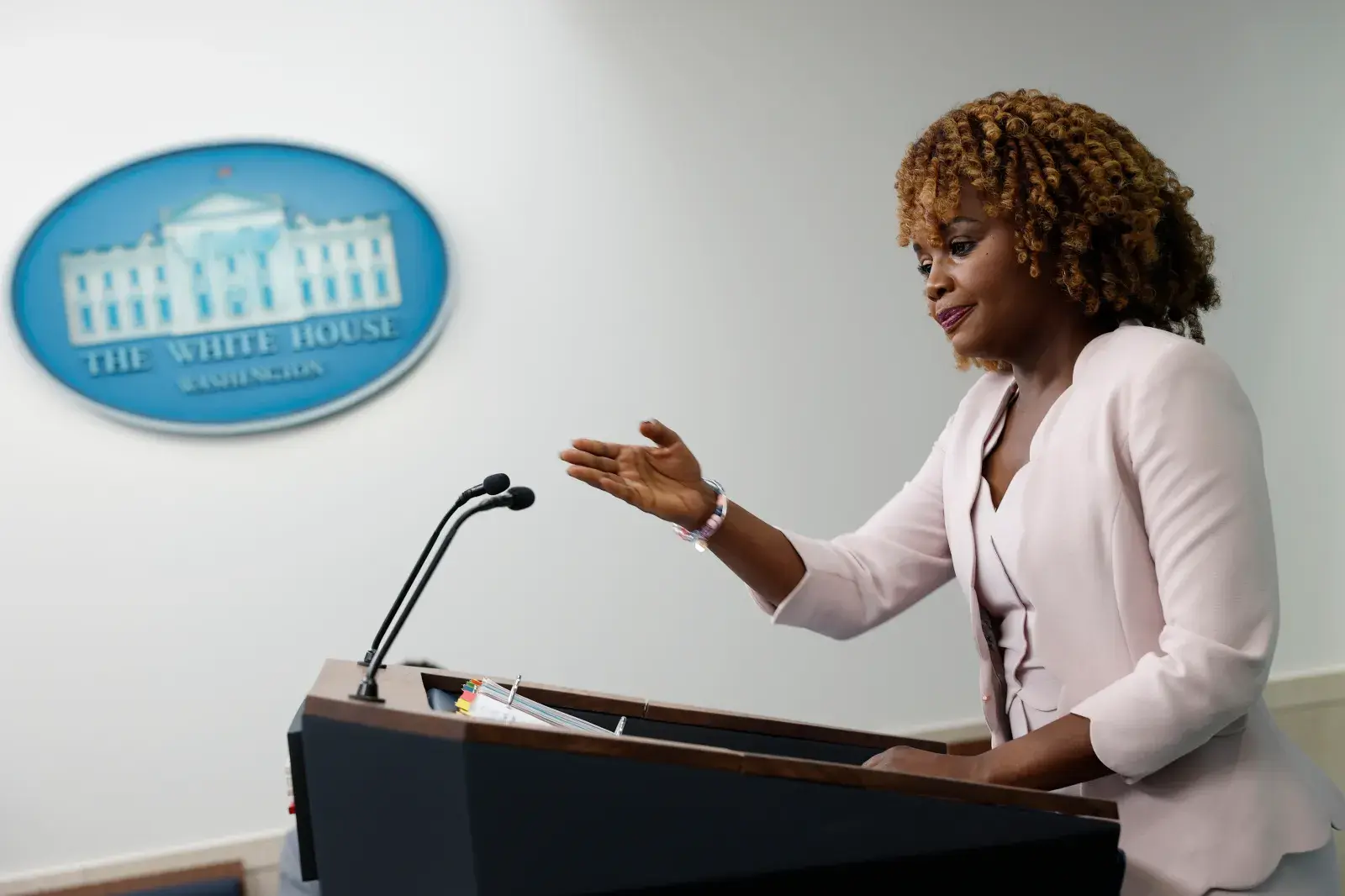
“There is zero truth to the TMZ report, which we would’ve gladly explained had they reached out before running their fake news,” a White House official told NBC News. “The president, not anonymous sources, is the final decider on pardons and commutations.”
Casey Carver, a spokesperson for TMZ, told NBC News in response, “We stand by our story.”

…

Combs was convicted in July on federal sex trafficking and racketeering charges following a lengthy investigation that alleged he ran a criminal network under the guise of his entertainment empire. Prosecutors said Combs used his businesses, including Bad Boy Entertainment and his fashion and liquor brands, to facilitate the exploitation and abuse of women over several decades. The jury found that he directed assaults, distributed drugs, and laundered money to conceal the operation’s profits, marking one of the most high-profile convictions in the music industry in years.
Combs remains incarcerated at a federal correctional facility in New York, where he is serving the prison sentence handed down after his July conviction. His time he has already spent there will be subtracted from his sentence, meaning he could get out in about three years.
His legal team has filed an appeal seeking to overturn the verdict, but for now, he continues to serve his sentence while pursuing post-trial motions. Authorities have not disclosed whether his security status or placement within the prison system will change as those appeals proceed.
President Trump has the constitutional authority to issue pardons and commutations for federal crimes, including those related to Combs’ conviction. A pardon from the president would effectively erase Combs’ conviction, while a commutation would reduce or end his sentence without clearing the conviction itself.
Commuting a sentence means reducing the punishment for a convicted individual without overturning the underlying conviction. In practice, a commutation can shorten a prison term, release a person early, or eliminate certain penalties such as fines or probation.
A pardon and a commutation are both forms of executive clemency but carry very different implications. A pardon is a formal act of forgiveness that removes both the punishment and the legal consequences of a conviction, effectively restoring civil rights such as voting or holding public office. A commutation, by contrast, only reduces the sentence and leaves the conviction intact, meaning the person remains legally guilty of the crime but faces a lighter penalty or earlier release.
Updates: 10/21/25, 1:43 p.m. ET: This article was updated with new information.
Request Reprint & Licensing

View Editorial & AI Guidelines
Add Newsweek as a preferred source on Google to see more of our trusted coverage when you search.